
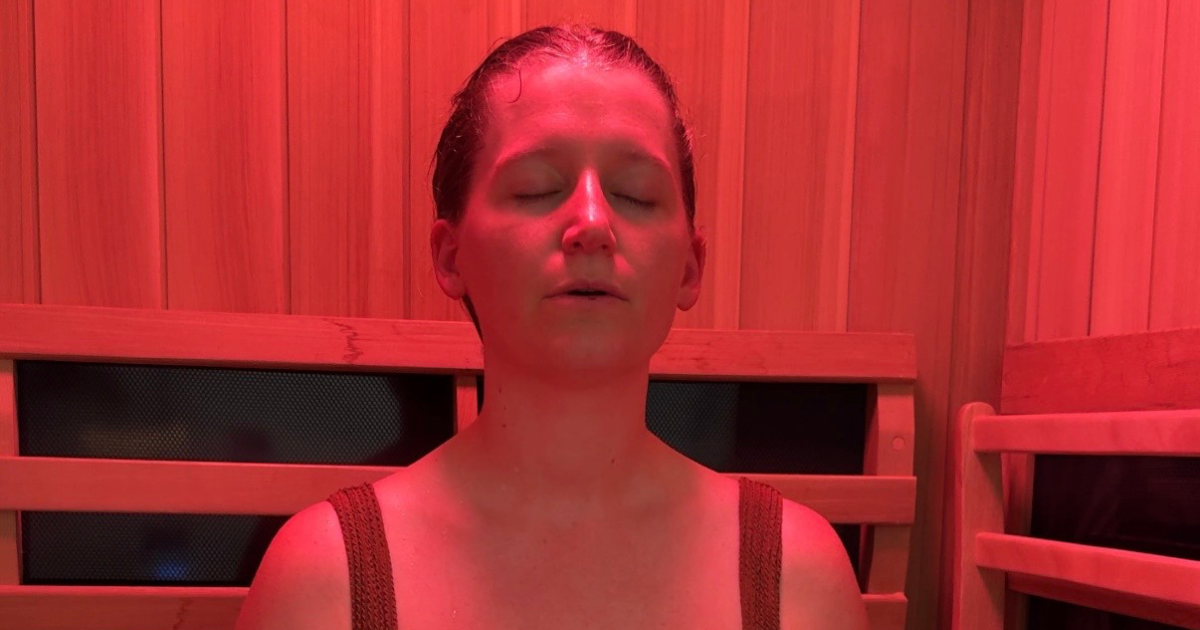
Trying an infrared sauna for the first time can feel unfamiliar if you are used to traditional massage or other hands-on wellness services. The good news is that the experience itself is simple: you spend time in a private sauna, allow your body to warm gradually, and move at a pace that feels comfortable for you.
At Be Well Bodyworks in Longmont, the infrared sauna is part of our private Contrast Therapy room, where you can also use a temperature-controlled cold plunge during the same session. Here is what to expect before, during, and after your first visit.
What Makes An Infrared Sauna Different?
A traditional sauna primarily heats the air around you. An infrared sauna uses far-infrared wavelengths to create warmth at a lower surrounding temperature.
At Be Well Bodyworks, the sauna typically operates between 120–150°F, which can feel more manageable for people who do not enjoy the intense heat of a traditional sauna.
You may still sweat, but the experience is generally more gradual and controlled. For many people, that makes it easier to settle in, relax, and stay comfortable for longer periods.
What Happens When You Arrive?
Your first session should feel straightforward. Be Well’s Contrast Therapy Room is private, so you are not sharing the sauna or cold plunge with a larger group. That gives you space to get comfortable and move through the session without feeling rushed.
Before you begin, the team can explain how the sauna and cold plunge work and answer any questions about timing, temperature, or how to alternate between the two. You can also bring a guest if you would rather experience your first session with someone else.
How Long Is The Session?
A full Contrast Therapy session at Be Well Bodyworks is 60 minutes. You do not have to spend all 60 minutes in the infrared sauna. A typical contrast session may include 10–15 minutes of heat, followed by a shorter cold plunge, with the cycle repeated several times.
If you are new to sauna or cold exposure, there is no need to follow the most intense version of the routine right away. The goal is not to test your limits. It is to find a pace that feels appropriate for your experience and comfort level.
Do You Have To Use The Cold Plunge?
The sauna and cold plunge are located in the same private room because they are designed to be used together as part of contrast therapy.
That said, your first visit does not need to become an endurance challenge.
If the cold plunge feels intimidating, you can start gradually and spend more of the session getting comfortable with the sauna. Be Well provides guidance for first-time users so you can ease into the contrast experience rather than feeling pressured to follow a rigid protocol.
The cold plunge is maintained between 39–55°F, and the duration of each immersion can be adjusted based on your experience.
What Should You Wear?
For most people, simple and comfortable is best. Because the room is private and includes both a sauna and cold plunge, wear something suitable for heat, sweating, and cold-water immersion. Swimwear is typically the most practical option if you plan to use both.
It is also worth bringing comfortable clothes for afterward so you can leave feeling dry and relaxed rather than rushing back into your day.
How Should You Prepare Before Your First Session?
You do not need an elaborate pre-sauna routine, but a few simple steps can make the experience more comfortable.
Try to arrive well hydrated and avoid coming in feeling overly full. If you have been exercising beforehand, give yourself enough time to cool down and settle before beginning.
If you have any health concerns, medications, or conditions that may affect your response to heat or cold, discuss those before booking.
Contrast therapy is not recommended for everyone, including people with certain cardiovascular conditions, Raynaud’s disease, uncontrolled hypertension, or pregnancy. If you have an underlying health condition, speak with your healthcare provider before scheduling.
What Does The Sauna Feel Like?
The experience varies from person to person, but most people notice the warmth building gradually rather than hitting all at once.
You may begin to sweat after several minutes, and the heat can feel especially noticeable across larger muscle groups and joints.
Because the room is private, you can sit quietly, focus on your breathing, and adjust your time in the sauna based on how you feel.
If you are also using the cold plunge, the contrast between heat and cold can make each phase feel more noticeable.
What Should You Expect Afterward?
After your first session, give yourself a little time to cool down and rehydrate.
Some people enjoy contrast therapy because it feels energizing, while others prefer the calmer, slower pace of the sauna itself.
You may also find that your preference changes over time. One session may be more sauna-focused, while another may include more alternating heat and cold.
That flexibility is one of the advantages of having both options in the same private room.
Infrared Sauna In Longmont At Be Well Bodyworks
If you are curious about infrared saunas but have never tried it before, the best approach is to start gradually and let the experience build over time.
At Be Well Bodyworks, your first session can be as simple as getting comfortable with the heat, learning how the Contrast Therapy Room works, and deciding whether you want to incorporate the cold plunge.
Learn more about Contrast Therapy in Longmont or contact Be Well Bodyworks with questions before your first session. If you feel ready to proceed, you can book online here.